by Admin | Oct 25, 2026
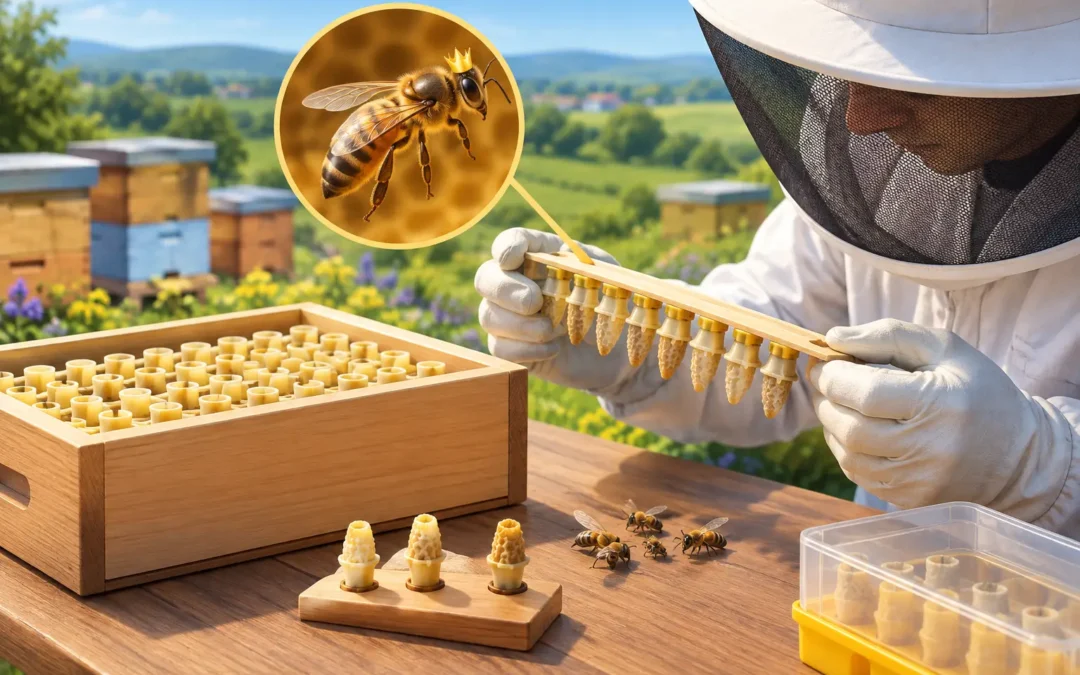
A useful queen breeder review should look beyond a queen arriving alive in a cage. The real question is whether her genetics, rearing conditions, and documented selection can support a healthy colony through spring buildup, honey flow, disease pressure, and winter....
by Admin | Oct 24, 2026
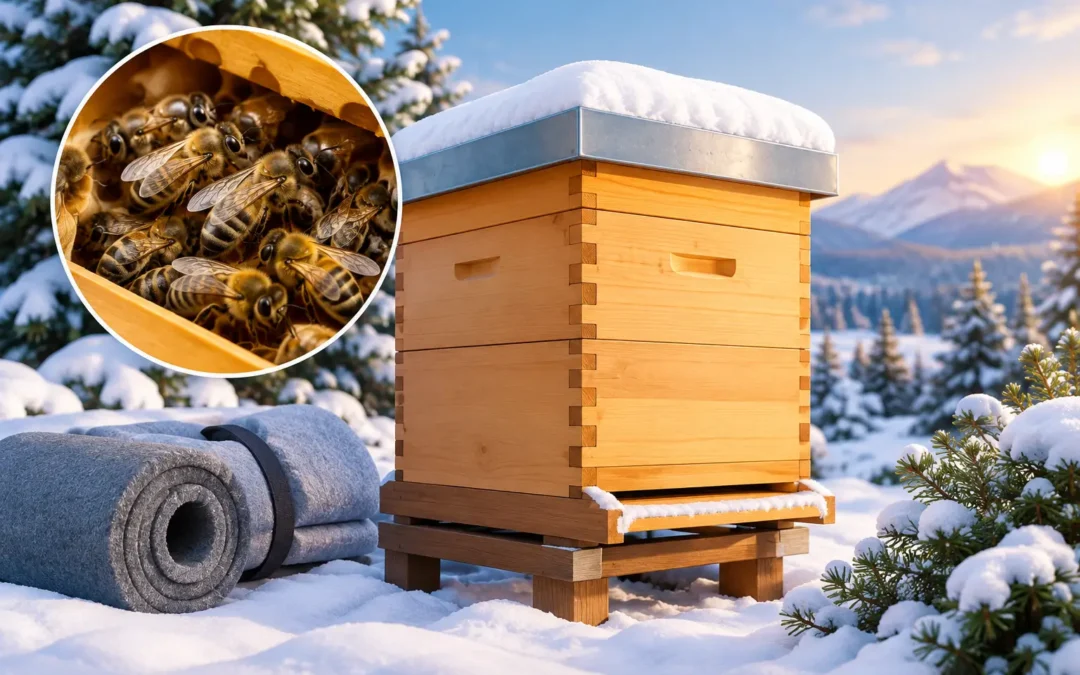
A colony rarely fails in winter because of one cold night. More often, it enters the season with too few healthy winter bees, insufficient accessible food, excessive moisture, or a varroa burden that was addressed too late. This bee colony wintering guide focuses on...
by Admin | Oct 23, 2026
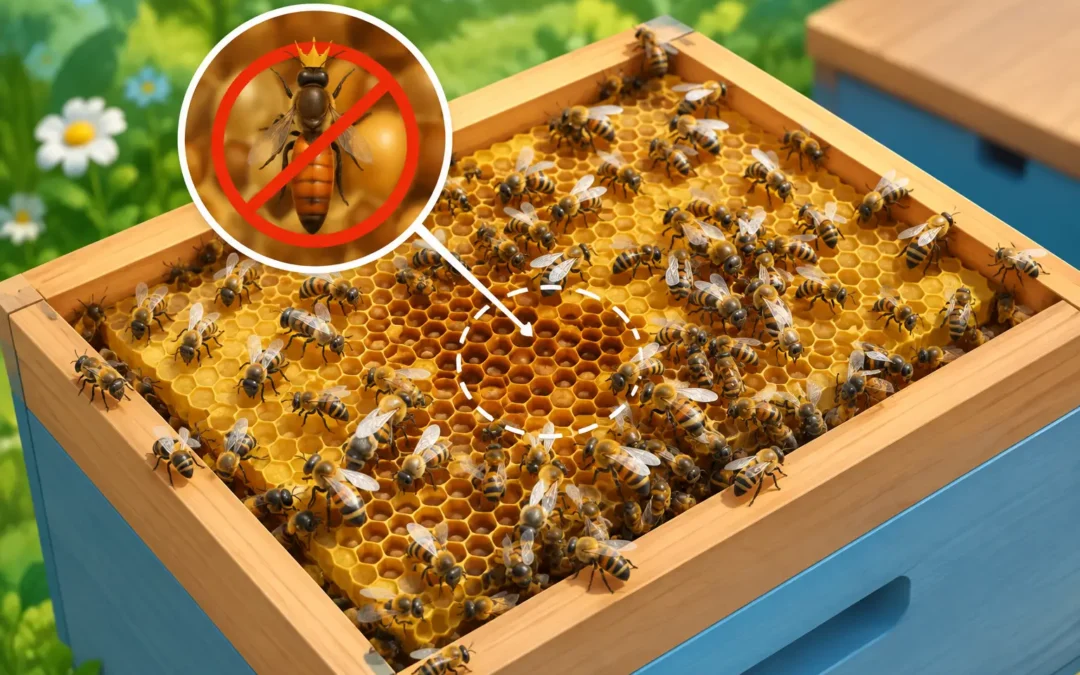
A colony can look busy at the entrance and still be heading toward trouble. For that reason, the top signs of queen failure are best found inside the hive: in the brood pattern, the age balance of bees, and the colony’s behavior over several inspections. A queen does...
by Admin | Oct 22, 2026
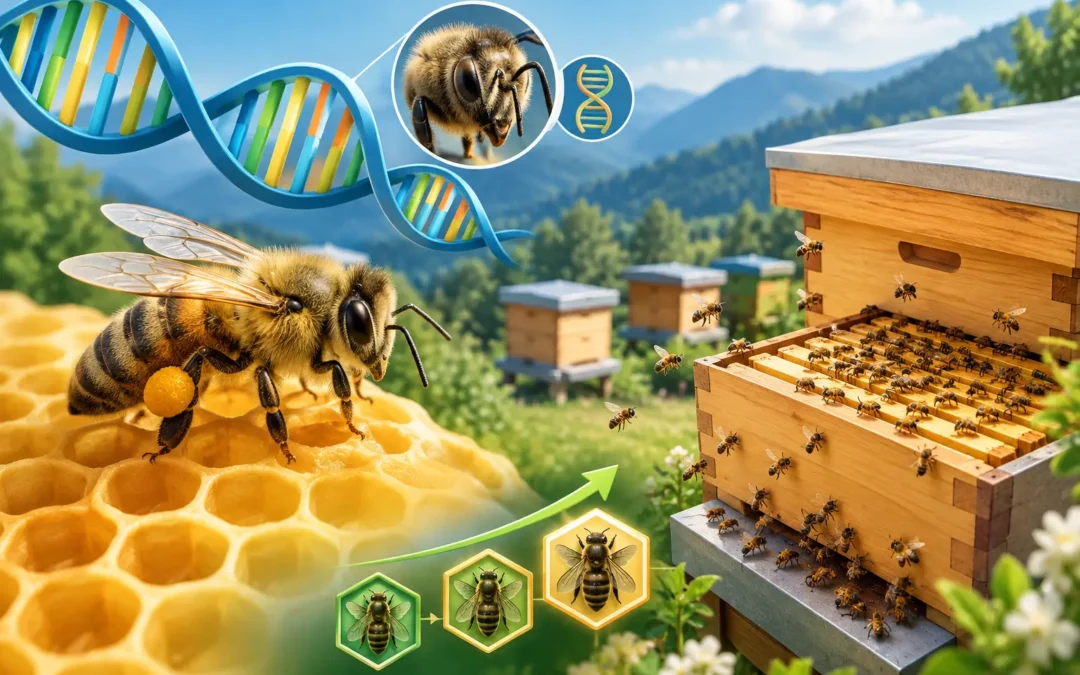
A colony can look excellent in spring and still disappoint by late summer. It may build quickly, yet become defensive during a nectar gap. It may produce a strong honey crop, yet winter poorly. Honey bee genetics help explain these differences, but genetics are only...
by Admin | Oct 21, 2026
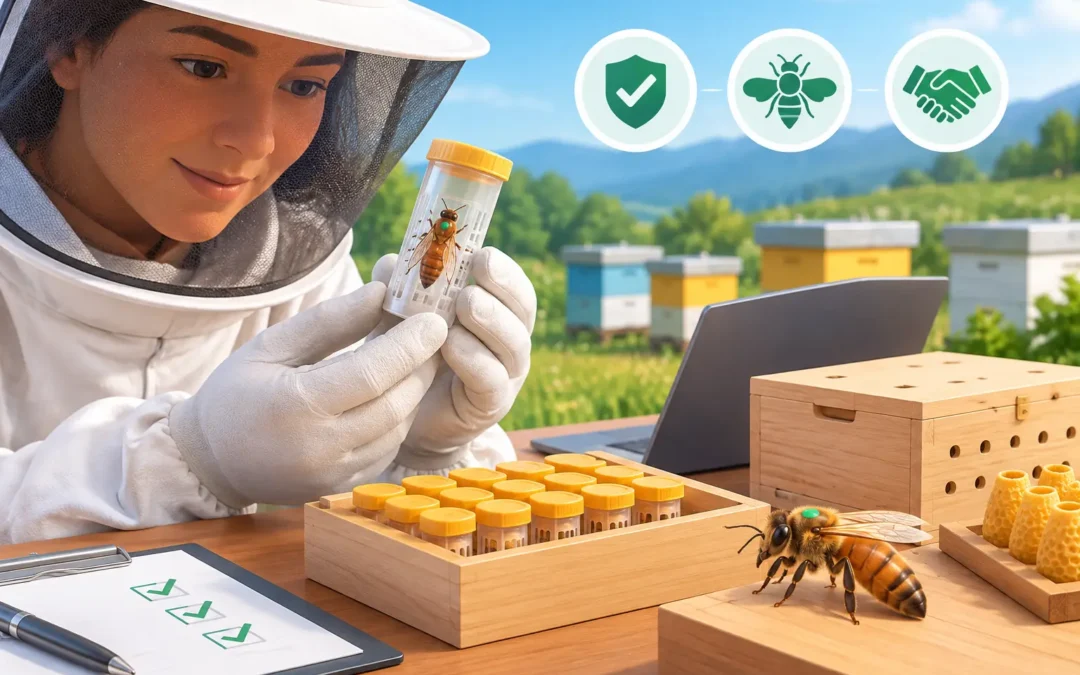
A queen purchase can shape an apiary for far longer than one season. When comparing queen suppliers, beekeepers are not simply choosing a marked insect for a replacement colony. They are choosing breeding decisions, management standards, disease awareness, and the...
We use necessary cookies for basic website functions. Google Analytics is enabled only if you allow analytics. You can change your choice at any time in Cookie settings. Read our privacy notice for more information about data processing.
Reject non-essential Cookie settings Cookie settings