by Admin | Oct 23, 2026
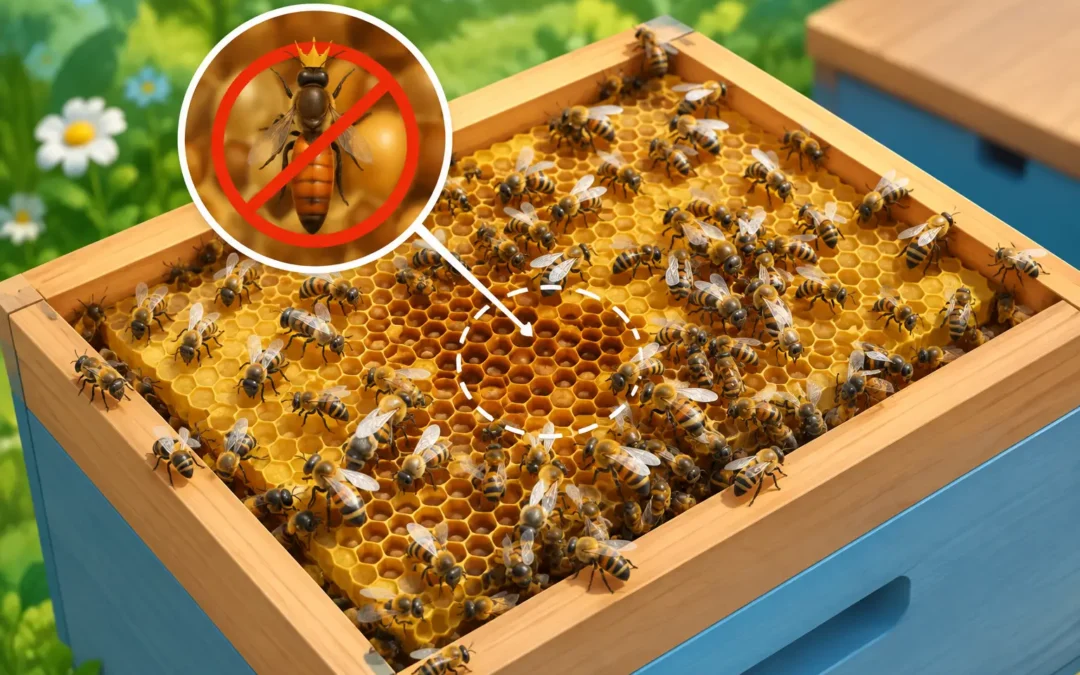
A colony can look busy at the entrance and still be heading toward trouble. For that reason, the top signs of queen failure are best found inside the hive: in the brood pattern, the age balance of bees, and the colony’s behavior over several inspections. A queen does...
by Admin | Oct 22, 2026
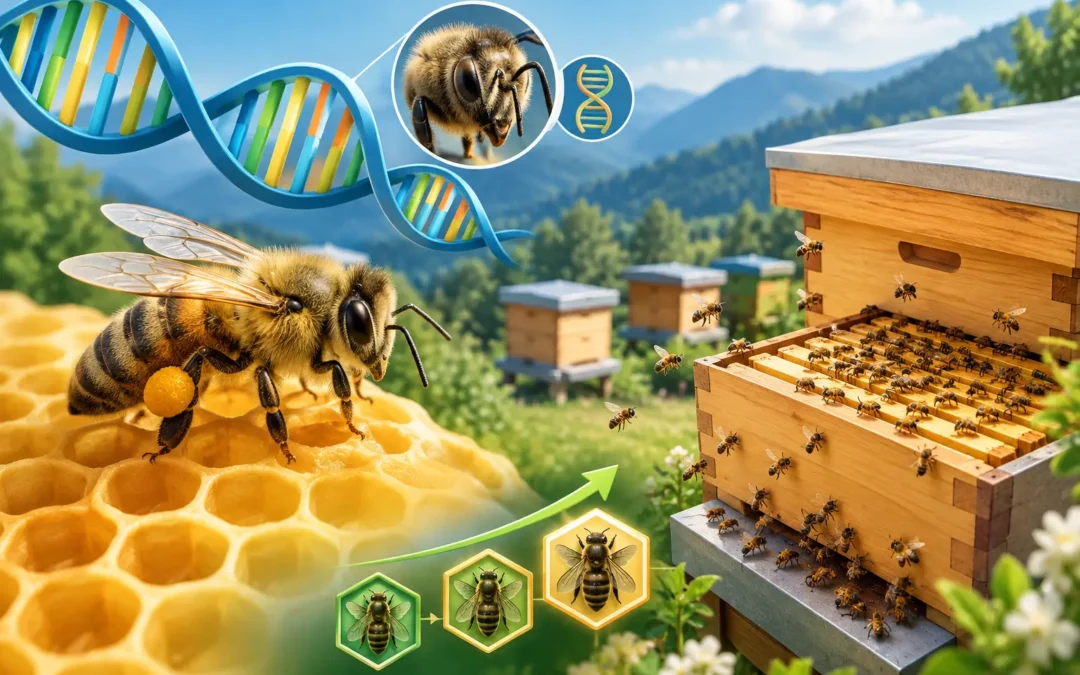
A colony can look excellent in spring and still disappoint by late summer. It may build quickly, yet become defensive during a nectar gap. It may produce a strong honey crop, yet winter poorly. Honey bee genetics help explain these differences, but genetics are only...
by Admin | Oct 21, 2026
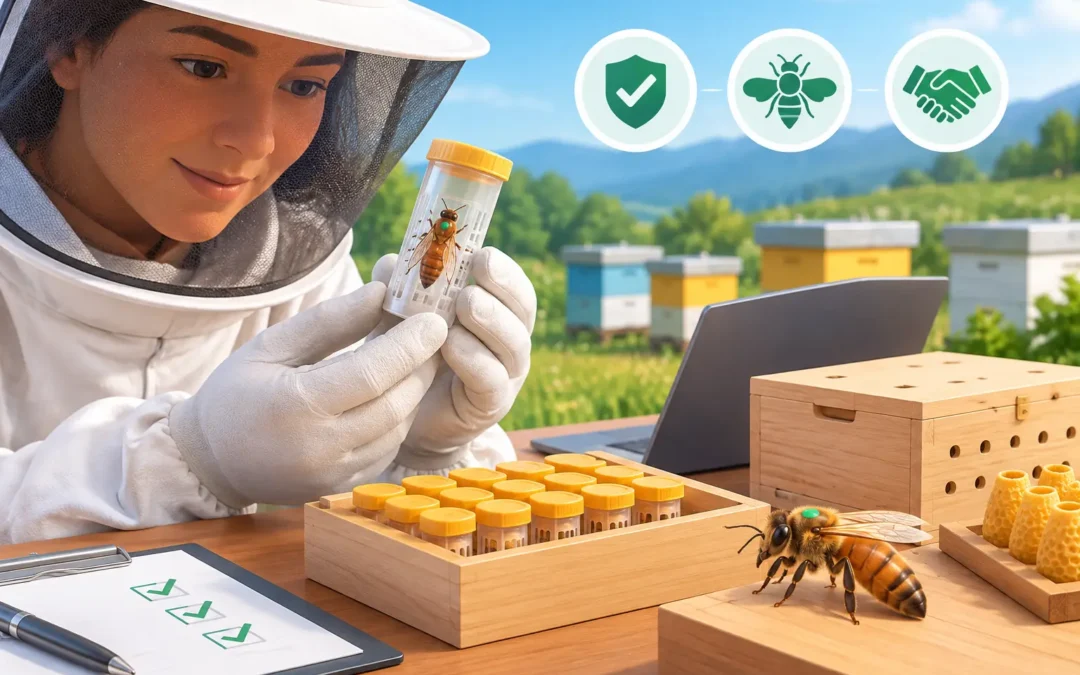
A queen purchase can shape an apiary for far longer than one season. When comparing queen suppliers, beekeepers are not simply choosing a marked insect for a replacement colony. They are choosing breeding decisions, management standards, disease awareness, and the...

by Admin | Oct 20, 2026
A nucleus colony can look excellent in a sales photograph and still be a poor fit for your apiary. A useful nucleus colony buyer review goes beyond the number of frames or the advertised bee breed. It asks whether the colony has a sound, proven queen, healthy brood,...
by Admin | Oct 19, 2026
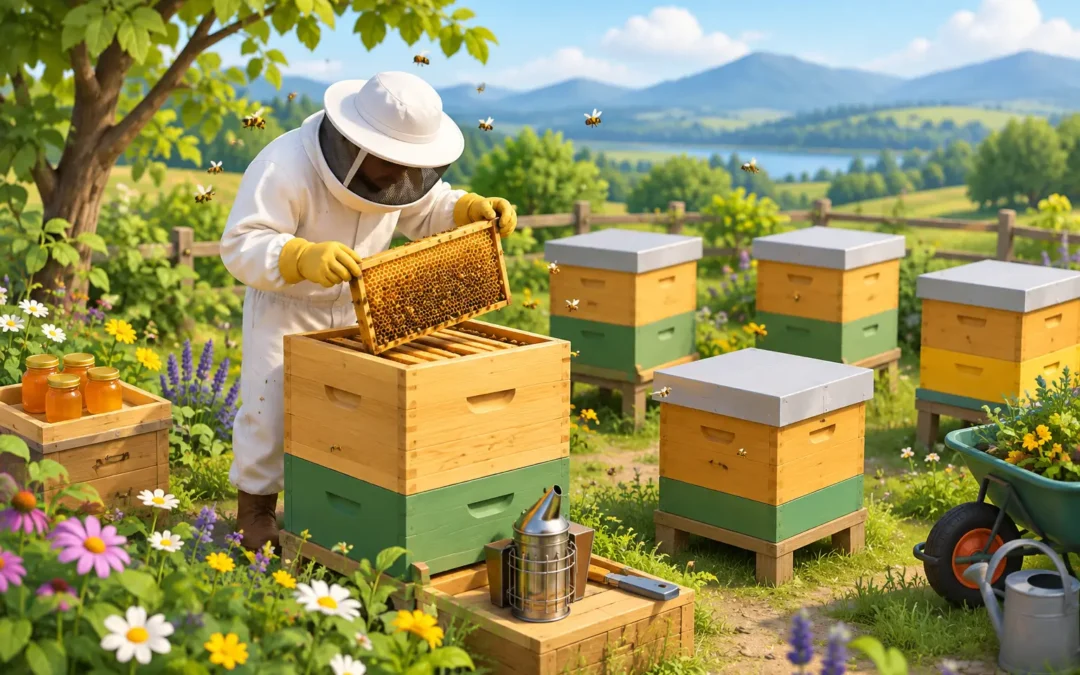
A clean hive is not automatically an organic hive. The real work of how to maintain organic apiaries happens across the entire season: choosing a suitable site, protecting forage, selecting resilient queens, watching colony health closely, and recording every...
We use cookies to ensure that we give you the best experience on our website. To continue using this site you must agree with our Privacy Policy. Accept Reject Privacy & Cookies Policy