
by Admin | Oct 21, 2026
A queen purchase can shape an apiary for far longer than one season. When comparing queen suppliers, beekeepers are not simply choosing a marked insect for a replacement colony. They are choosing breeding decisions, management standards, disease awareness, and the...

by Admin | Oct 20, 2026
A nucleus colony can look excellent in a sales photograph and still be a poor fit for your apiary. A useful nucleus colony buyer review goes beyond the number of frames or the advertised bee breed. It asks whether the colony has a sound, proven queen, healthy brood,...
by Admin | Oct 19, 2026
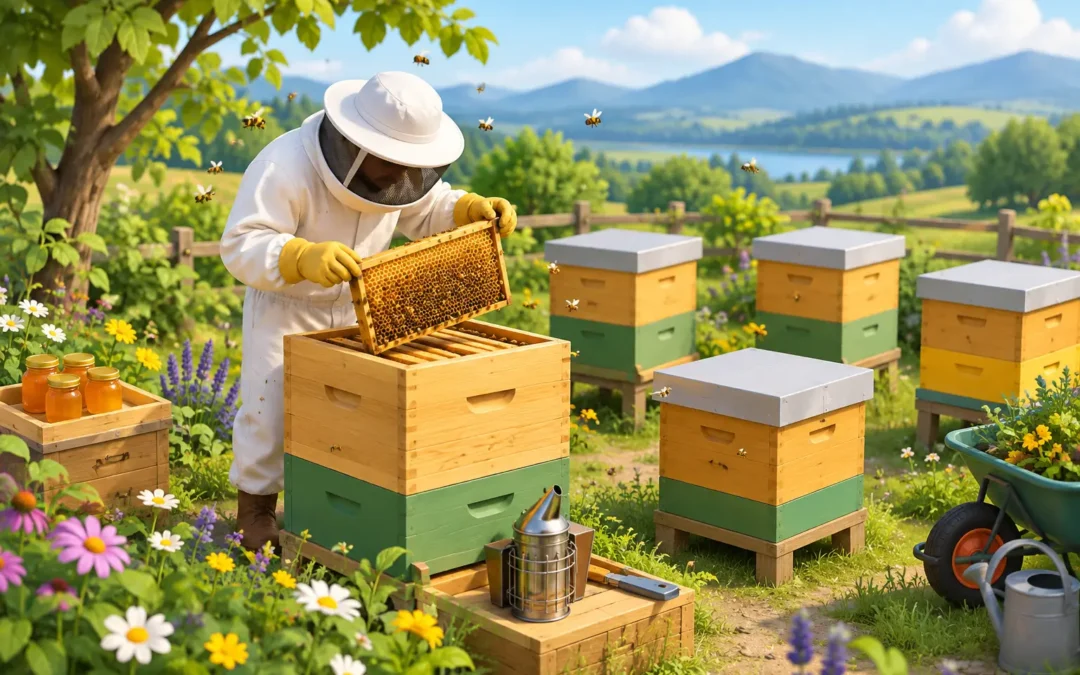
A clean hive is not automatically an organic hive. The real work of how to maintain organic apiaries happens across the entire season: choosing a suitable site, protecting forage, selecting resilient queens, watching colony health closely, and recording every...
by Admin | Oct 7, 2026
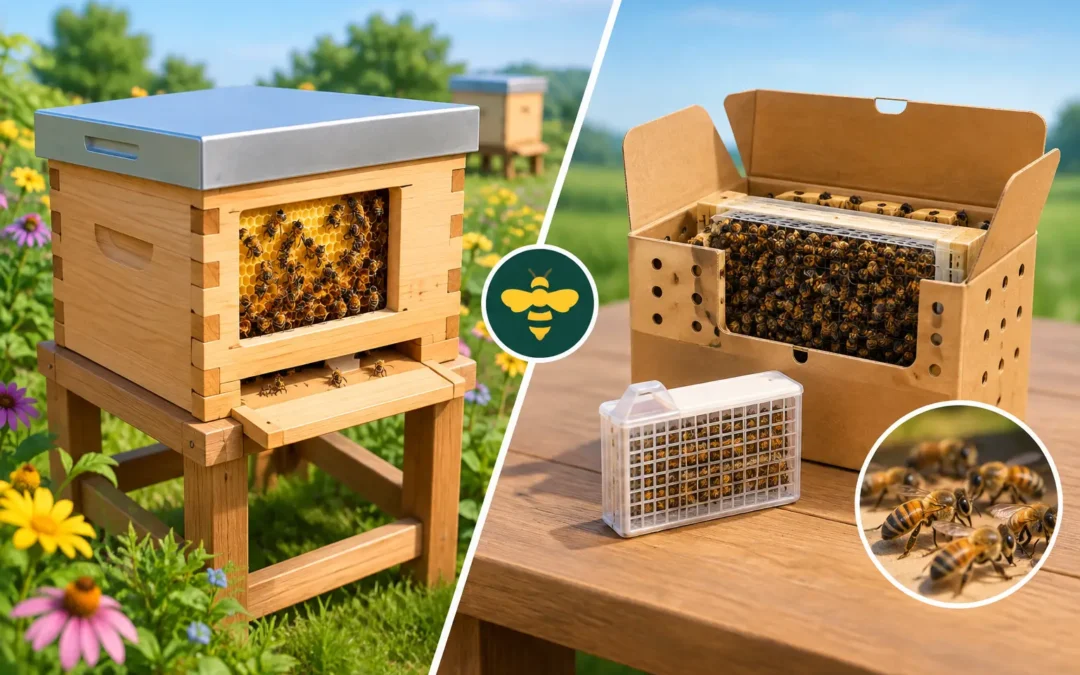
A new hive can look very different six weeks after installation depending on how it began. The choice between nucleus colonies versus package bees affects not only early honey production, but also queen acceptance, brood continuity, disease management, and the amount...

by Admin | Oct 6, 2026
A colony can look busy at the entrance and still be moving toward trouble. Understanding queen failure causes helps a beekeeper act before a weakened brood nest becomes a queenless colony, laying-worker colony, or a lost honey crop. The right response starts with a...

by Admin | Oct 5, 2026
A colony that enters winter heavy with bees but poorly prepared can still fail before spring. Wintering bees is not mainly about wrapping hives or waiting for a warm day to feed. It is the result of decisions made from late summer onward: queen quality, mite control,...
We use cookies to ensure that we give you the best experience on our website. To continue using this site you must agree with our Privacy Policy. Accept Reject Privacy & Cookies Policy
'/%3E%3C/svg%3E)